What Pairs Well with Japanese Green Teas
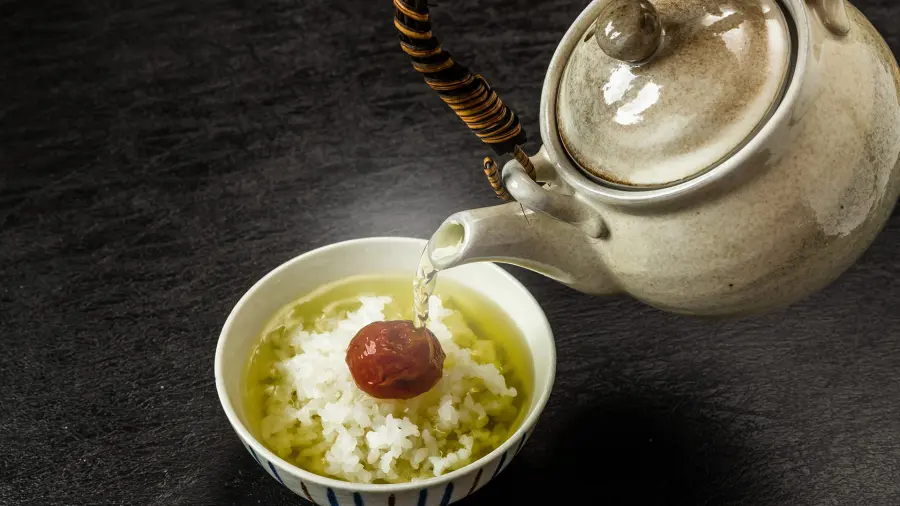
What goes well with green tea? A complete guide to green tea and food pairings, from matcha to sencha and hojicha.

The Art of Green Tea and Food Pairing
Think of the last time you had sushi — the fish, the rice, the sharp hit of ginger between pieces. Now imagine a cup of green tea alongside it, not afterward, but throughout the meal. That is the starting point for this guide.
In much of the Western world, hot drinks often arrive at the end of a meal, after the plates have been cleared. In Japan, green tea often sits beside the meal from the first course to the last — part of the experience itself, much like wine. This guide covers food pairings for different types of Japanese green tea, starting with washoku, the traditional Japanese cuisine that may be the most natural match of all.

Foods and Flavors to Pair with Each Green Tea Type
Japanese green tea is known for its versatility at the table. In Japan, it is enjoyed not only on its own but also alongside a wide range of foods, from washoku to modern desserts and lighter Western dishes.
Broadly speaking, Japanese green tea contains three important flavor components: catechins, which contribute astringency; caffeine, which adds bitterness; and amino acids, especially L-theanine and glutamic acid, which contribute umami and gentle sweetness. This balance is one reason green tea can work so naturally with food.
A Quick Guide to Japanese Green Tea and Food Pairings
The table below offers a simple guide to how the main types of Japanese green tea differ in flavor and what kinds of foods they tend to pair well with:
| Tea Type | Description / Flavor Profile | Traditional Washoku Pairings | Modern and Western Pairings |
|---|---|---|---|
| Matcha |
|
|
|
| Sencha |
|
|
|
| Genmaicha |
|
|
|
| Hojicha |
|
|
|
Although these teas belong to the same broad category of Japanese green tea, the balance of umami, bitterness, astringency, and roasted character differs from one type to another. Understanding those differences is what makes pairing green tea with food more interesting — and more rewarding.

Pairing Green Tea with Japanese Washoku Cuisine
Traditional washoku cuisine is a natural starting point for green tea pairing, and there is research to support this connection. A bowl of miso soup, a roll of dashimaki tamago, or a cup of savory chawanmushi alongside sencha, the most widely consumed green tea in Japan, is a familiar combination for many Japanese people. It feels so natural that it may not even register as a deliberate pairing. Still, studies suggest that green tea may heighten the perceived umami of dishes built around katsuo dashi, or bonito stock, which helps explain why the combination works so well in washoku.
When dashi-based dishes are paired with green tea, research suggests the umami is measurably enhanced. Part of the explanation appears to involve umami synergy between tea’s amino-acid-related components and katsuo dashi, which is naturally rich in inosinic acid and one of the key umami compounds in Japanese cooking. When katsuo dashi meets the amino-acid-related taste components in green tea, the combination may heighten perceived umami beyond what either offers alone.
As a result, green tea can do more than sit alongside a dashi-based dish; it may help the dish’s savory character come through more clearly. With washoku, tea deepens the experience in ways that go beyond personal preference, as research suggests that umami may be perceived more strongly in this combination.
The Best Foods and Flavors to Pair with Green Tea:
- Udon
- Thick, chewy wheat noodles served in a light broth. A comforting Japanese staple available hot or cold.
- Chawanmushi
- A silky steamed egg custard with ingredients tucked inside, like chicken, shrimp, or mushrooms.
- Nimono
- A homestyle dish of vegetables, tofu, or meat slowly simmered in a seasoned broth.
- Oyakodon
- A rice bowl topped with chicken and egg cooked together in a sweet sauce. The name literally translates to “parent and child bowl.”
- Dashimaki Tamago
- A rolled Japanese omelette with a soft, slightly sweet flavor and a delicate layered texture.
What is Dashi?
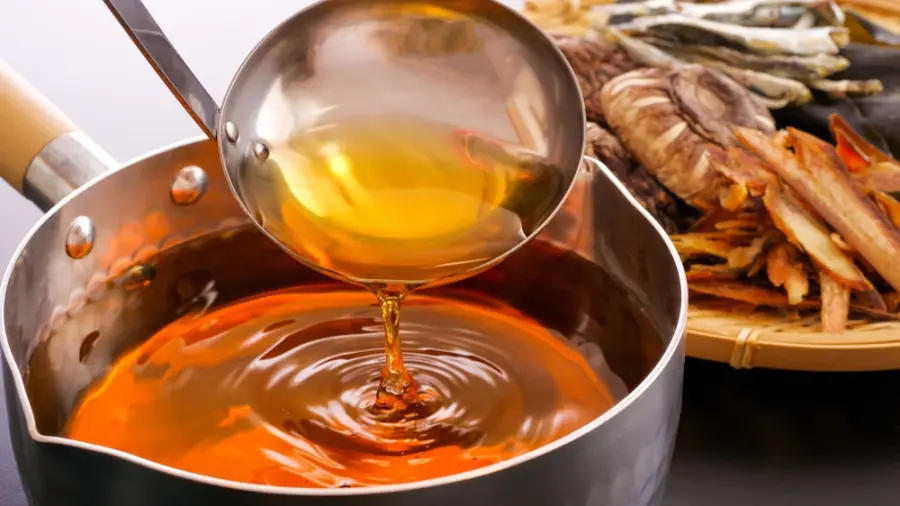
Dashi is a light, savory stock that forms the foundation of much of Japanese cuisine. It’s made by briefly steeping ingredients in water — most commonly kombu (dried kelp) and katsuobushi (dried bonito flakes) — to extract their natural umami compounds. It appears in everyday Japanese dishes such as:
Miso Soup — A warm, savory soup made with fermented soybean paste and dashi. It is usually served alongside rice as part of an everyday Japanese meal.

What Pairs Well with Matcha
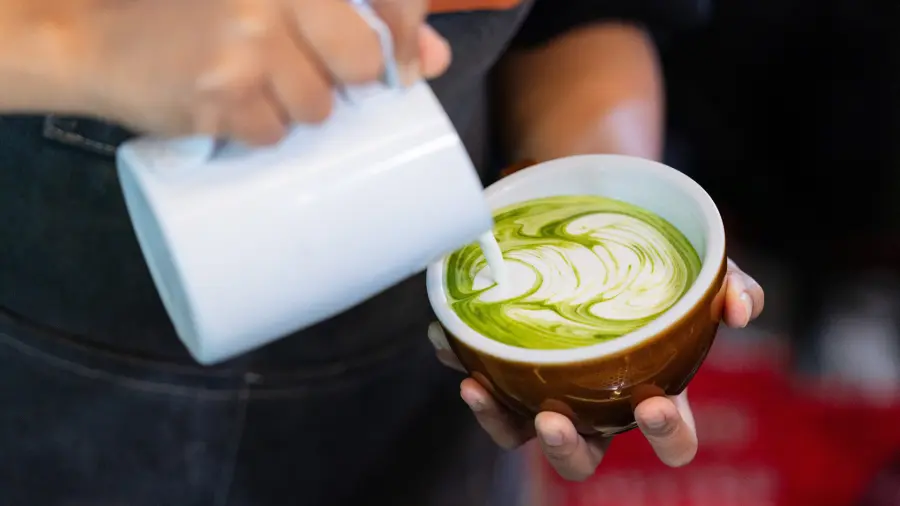
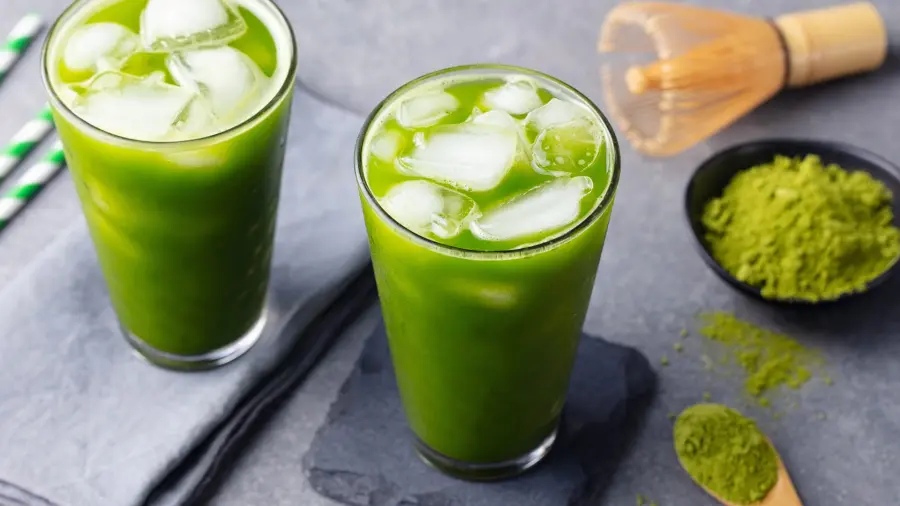
As one of the most widely recognized types of green tea worldwide, matcha is bold — intensely vegetal, rich in umami, and carrying a characteristic bitterness. The best matcha pairings either balance that bitterness or deliberately contrast with it.
The classic match is matcha with wagashi — the traditional Japanese sweets served at tea ceremonies. Typically made from azuki bean paste, rice flour, and sugar, wagashi brings a gentle sweetness that cuts through matcha’s bitterness. The tea, in turn, refreshes the palate and keeps the sweetness from becoming cloying. Each element brings the other into clearer balance, creating a pairing so well established that tea instructors often consider it definitive.
The Best Foods and Flavors to Pair with Matcha:
- Wagashi and namagashi
- Traditional and seasonal sweets that are eaten before drinking the bowl of matcha.
- Mochi and daifuku
- Mochi's soft, pillowy sweetness smooths out matcha's intensity without adding sugar directly to the tea.
- Chocolate and dairy
- Rich, creamy textures — think milk chocolate, white chocolate, or cream-based desserts — complement matcha's thick, concentrated body while softening its astringency.
- • Fresh fruits
- Tart berries or citrus offer a bright contrast to matcha's deep vegetal flavor, cutting through its richness without overpowering the cup.

What Pairs Well with Sencha
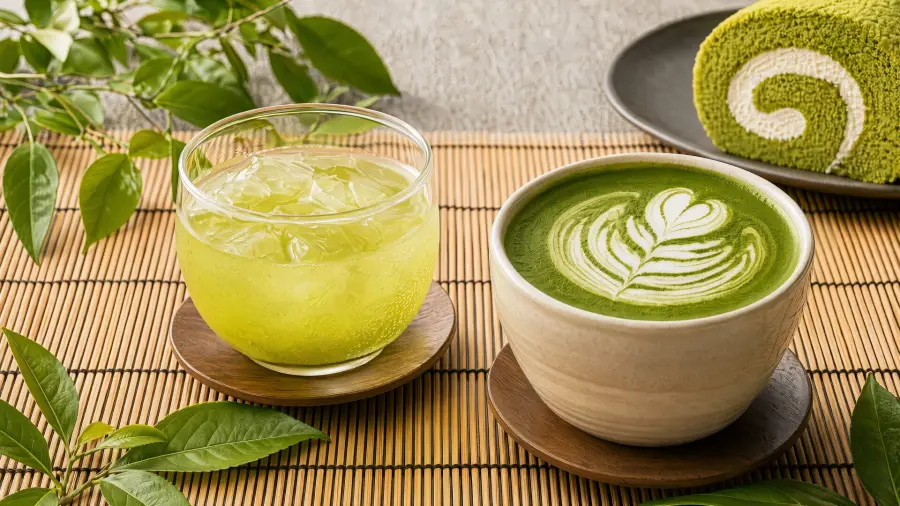
Sencha, the most commonly consumed type of green tea in Japan, is characterized by its balanced, grassy flavor, light sweetness, and mild astringency. At the table, sencha often works as a refreshing palate reset between bites, while its refreshing astringency keeps each mouthful feeling clean.
Sencha also contains amino acids that contribute to umami, which helps explain why it works well with seafood-based washoku and other lightly seasoned dishes.
The Best Foods and Flavors to Pair with Sencha:
- Grilled fish
- Lightly seasoned preparations work best here, giving both the tea and the food enough room to shine without one overpowering the other.
- Steamed rice and onigiri rice balls
- Sencha's subtle sweetness has a natural affinity with plain steamed rice.
- Sushi and sashimi
- Sencha's grassy freshness complements raw fish without masking its delicate flavor, while its astringency helps keep the palate clean between pieces.
- Vegetables and tofu
- For lighter, plant-based dishes, cold brew sencha is worth trying. Brewing sencha in cold water brings its umami forward while keeping bitterness and astringency in check.

What Pairs Well with Genmaicha
Genmaicha was originally created to stretch expensive tea leaves by blending them with toasted brown rice, making tea more affordable for everyday drinking. That addition of roasted rice gives the tea a distinctive nutty, cereal-like warmth that complements the tea’s grassy base rather than competing with it, resulting in a cup that feels approachable, comforting, and quietly complex.
Today, genmaicha is one of the most common teas found at sushi counters across Japan.
The Best Foods and Flavors to Pair with Genmaicha:
- Sushi and sashimi
- Genmaicha's polyphenols help cut through oily richness, while the toasted rice adds a gentle nuttiness. When gari (pickled ginger) is eaten alongside, the elements work together as a natural palate-cleansing trio.
- Miso-dressed dishes
- Roasted rice and miso share a common umami-plus-grain character. The two complement each other without either competing for attention.
- Grilled meats and yakitori
- Genmaicha's sweet, savory warmth softens the stronger aromas that come with grilled food.
- Osenbei rice crackers
- A classic rice-on-rice pairing. The shared base ingredient makes this one of the most natural matches in Japanese snack culture.

What Pairs Well with Hojicha
Hojicha is made by roasting green tea leaves at high temperatures. The roasting process reduces some of the grassy sharpness associated with green tea while allowing warm, caramel-like aromas to develop, producing a cup that is toasty and notably low in bitterness.
Compared with greener, more umami-forward teas, hojicha is less about savory synergy and more about warmth, roast, and aroma. This makes it a natural match for foods with toasted, grilled, nutty, or caramelized notes.
The Best Foods and Flavors to Pair with Hojicha:
- Yokan (sweet red bean jelly)
- Hojicha's roasted, woody notes work to sharpen the palate after each bite of intensely sweet jelly. The contrast keeps the sweetness from becoming too heavy.
- Yakitori and grilled meats
- Hojicha's natural smokiness makes it a comfortable companion to grilled food, echoing the charred notes without clashing with them.
- Tempura and lightly seared fish
- Hojicha's warmth adds depth without overwhelming the dish — a quiet complement rather than a bold contrast.
- Dark chocolate and roasted nuts
- Hojicha's warm, toasty notes and subtle caramel sweetness create a natural harmony with the deep, roasted flavors. The slight bitterness present in both complements rather than clashes.
Find Your Perfect Japanese Green Tea and Food Pairing
Whether you prefer the fresh clarity of sencha, the richness of matcha, the toasted warmth of genmaicha, or the smooth roast of hojicha, the best food pairing is one that brings balance to both the cup and the plate. Exploring Japanese green tea with different dishes is a simple way to deepen flavor, refresh the palate, and discover how naturally tea can belong at the table.