Green Tea vs. Matcha: What is the Difference?
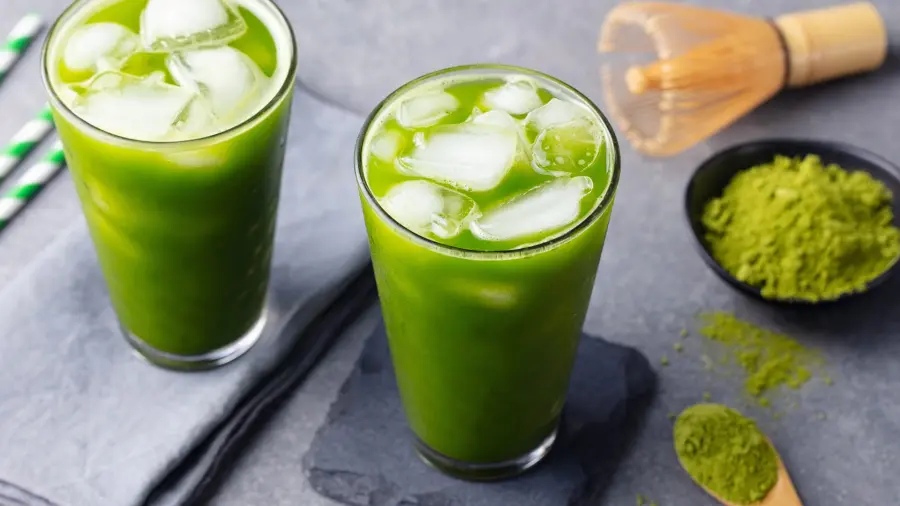
Is green tea the same as matcha? Discover the similarities and differences between green tea and matcha, from how they are grown and processed to how they are prepared and consumed.

Green Tea vs. Matcha: Everything You Need to Know
Japanese tea has become a global sensation, with prominent names such as green tea and matcha now appearing in homes, cafés, and restaurants around the world, featured in lattes, desserts, and various recipes. Yet while many have encountered these two representative tea types, not everyone fully understands the differences between them. Are green tea and matcha the same? What similarities and differences do they share? This guide provides the answers.

Are Green Tea and Matcha the Same?
- Is matcha a green tea?
- Yes. Matcha is one type of tea classified as green tea.
- Are green tea and matcha the same?
- Not exactly. They belong to the same green tea family, but they are not completely the same.
To put it simply: green tea (called ryokucha in Japanese) is a broad term for teas that are heat-treated after picking to stop oxidation, while matcha is one specific type within that group. Both green tea and matcha come from the tea plant Camellia sinensis, but they differ in how they’re grown, processed after harvest, and consumed.

What is Green Tea? The Foundation of Japanese Teas
Before understanding matcha, let’s start with a broader question: what is green tea?
In Japan . Green tea is a broad term for tea made by quickly heat-treating freshly picked leaves—often by steaming—to prevent oxidation. Although all tea comes from the same tea plant, Camellia sinensis, it is generally classified based on the degree of oxidation and the production method:
- green tea (non-oxidized/unfermented),
- oolong tea (semi-oxidized/semi-fermented)
- black tea (oxidized/fermented).

In general, green tea such as sencha refers to tea made by quickly steaming freshly picked leaves to stop oxidation and preserve their flavor and natural green color. These teas are typically made from leaves grown in full sunlight and contain catechins, which give them their characteristic astringency and bitterness. By contrast, some teas—including gyokuro, kabusecha, and tencha, which is used to make matcha— are grown under shade before harvest.

Based on growing methods, harvest timing and processing techniques, Japanese green teas can be divided into a wide variety of types. Some of the most well-known include sencha, hojicha, genmaicha and gyokuro. Matcha also belongs to this broader family of Japanese green teas.
Discover more about different types of Japanese green tea
What is Matcha? Unveiling Its Difference from Green Tea
While many might assume green tea and matcha are interchangeable, matcha is actually unique in several important ways. What most distinguishes matcha is that tencha, the leaf used to make it, is ground into a fine powder using a stone mill or other grinding equipment and consumed in that form.
Regular green tea, such as sencha, is prepared by steeping the leaves in hot water to extract their components and then removing the leaves before drinking. As a result, water-soluble compounds such as catechins and theanine are extracted, but the leaves themselves are left behind.
Matcha, by contrast, is mixed into hot water, so the entire leaf is consumed.

Matcha also differs in its cultivation and harvesting methods, and those differences give it its distinctive flavor and characteristics. While regular green tea is grown in direct sunlight, the tencha used to make matcha is shaded with cloth or reed screens for a period of time before harvest. This shading suppresses photosynthesis, encouraging leaves to retain more theanine, the compound associated with matcha’s rich umami flavor. Normally, theanine is converted into catechins when exposed to sunlight, but shading slows that process, resulting in a more mellow, less astringent taste.

After harvest, the leaves are quickly heat-treated, usually by steaming, to prevent oxidation, just like other green teas. The difference is that while regular green tea is rolled and dried to shape the leaves, the leaves used for matcha are dried flat. The resulting tea is called tencha.
Once dried, the hard parts of the tencha, including the stems and veins, are carefully removed, leaving only the soft leaf material. This is an important step in reducing unwanted flavors and creates a smooth texture and refined taste. Finally, the tencha is ground into powder using a stone mill or other fine grinding equipment to make matcha. Stone milling is used to minimize friction heat and to reduce the impact on color, aroma and flavor, though it is also a time-consuming process.
These careful steps are part of what sets matcha apart from regular green tea, giving it a deeper, more vivid color and allowing the whole leaf to be consumed.
Summary: The Key Differences between Green Tea and Matcha
“Green tea vs. matcha” has always been one of the most searched comparisons. While matcha is technically a type of green tea, not all green tea is matcha. Here are the key differences that set them apart:
| Green Tea | Matcha | |
|---|---|---|
| Form | Leaf form, including needle-shaped, flat, or twisted leaves. After infusion, the leaves are removed before drinking. (e.g., sencha, hojicha, gyokuro) | A fine powder made from tencha. The powder is mixed into hot water, and the whole leaf is drunk. |
| Appearance |
|
|
| Cultivation | Most varieties are grown in direct sunlight, though some types, such as gyokuro and kabusecha, are shade-grown. | The tencha used to make matcha is grown under shade for a period before harvest. |
| Processing | After picking, the leaves are heat-treated (such as by steaming) to stop oxidation, then finished through processes such as rolling and drying. | After picking, the leaves are heat-treated (such as by steaming) to stop oxidation, then dried without rolling to make tencha. The stems, veins, and other hard parts are removed, and the remaining leaf material is ground into a fine powder using a stone mill or other fine grinding equipment. |
| Preparation | The leaves are steeped in hot water to extract their components, then removed before drinking. | The powder is mixed into hot water and whisked with a chasen bamboo whisk, so the whole leaf is consumed. |
| Experience | Light and refreshing on the palate, with levels of astringency, roasting, and umami varying depending on cultivation and processing method. | Rich and creamy on the palate, characterized by pronounced umami and gentle astringency. |
At the end of the day, matcha is green tea—but not all green tea is matcha. Everyday green teas like sencha, hojicha, and genmaicha have long been part of daily life in Japan. Matcha, meanwhile, is made through a more specialized process involving shade-grown cultivation, the production of tencha, and grinding with a stone mill or similar equipment. Understanding the differences between green tea and matcha can deepen your appreciation of the cultivation and processing behind each cup, as well as of Japanese tea culture more broadly. Whether you enjoy brewing green tea or preparing matcha, each offers a glimpse into that tradition.