How Much Caffeine is in Green Tea and Matcha?
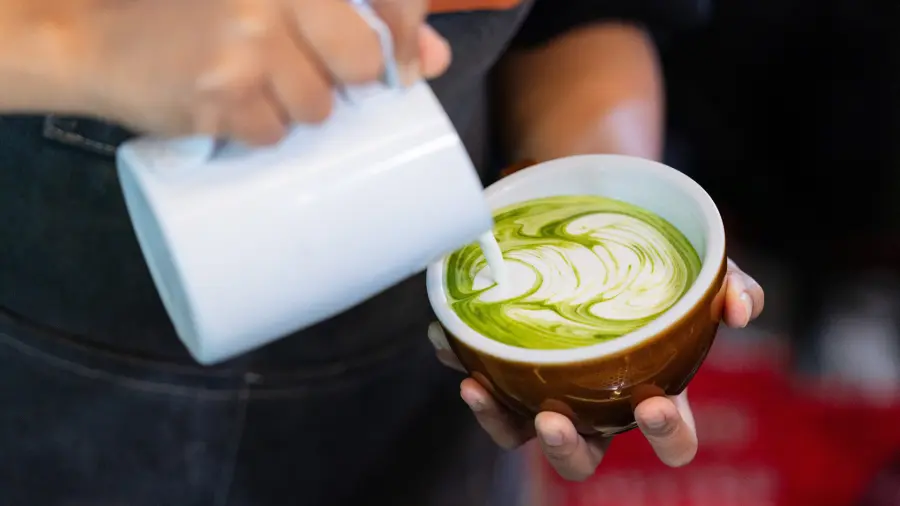
Learn about the caffeine content in green teas like matcha and sencha.
Does Matcha Have Caffeine?
Yes, matcha contains caffeine. While this is true for all green teas, the exact amount can vary significantly depending on cultivation methods, processing techniques, and how the tea is prepared.
Whether you are caffeine-sensitive or simply curious about what’s in your daily cup, this guide provides a clear overview of what caffeine is and the typical levels you can expect in matcha.

What is Caffeine?
Caffeine is a natural compound found in coffee beans, tea leaves, cacao, and guarana. It is most commonly consumed through beverages like coffee and tea.
For the plant itself, caffeine acts as a natural defense mechanism. Its bitter taste helps protect tender young buds and new leaves from being eaten by insects or herbivores. Because of this, teas made from younger leaves — such as matcha — tend to have higher caffeine concentrations than those made from more mature leaves.
The primary effect of caffeine on the human body is the stimulation of the central nervous system. By blocking adenosine receptors in the brain (the receptors responsible for triggering drowsiness), caffeine can temporarily increase alertness, improve focus, and even enhance aerobic performance. However, caffeine is not a more-is-better substance; it is important to consider your own physical constitution and the timing of your intake.
How Much Caffeine Should You Have Per Day?
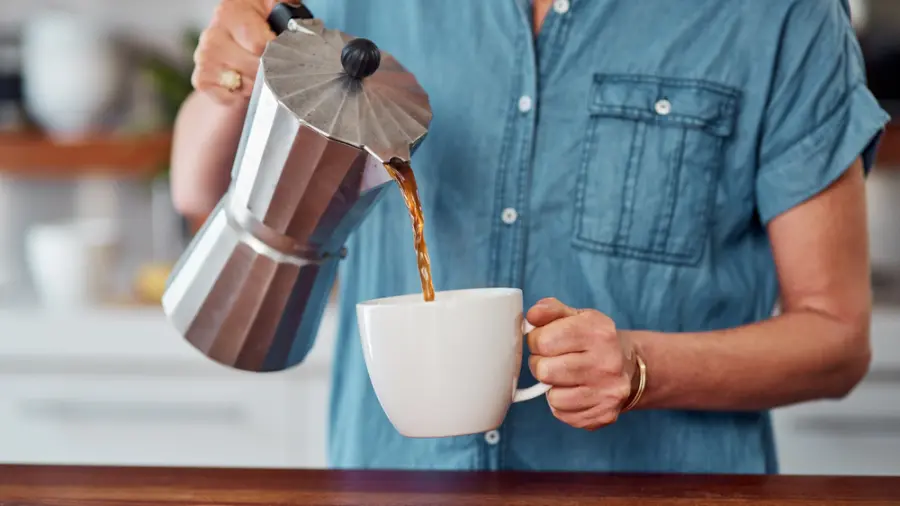
According to health authorities like the U.S. Food and Drug Administration (FDA), the recommended maximum caffeine intake for healthy adults is approximately 400 mg per day — roughly the equivalent of 4 to 5 cups of coffee. Pregnant or breastfeeding women and children are advised to consume significantly lower amounts. Since caffeine sensitivity varies from person to person, it is essential to pay attention to how your body responds.
To avoid overconsumption, it helps to be aware of the caffeine content in your favorite drinks. For instance, when buying packaged beverages, always check the nutritional label if caffeine is listed as an ingredient. These small habits are key to effectively managing your daily caffeine intake.

How Much Caffeine Content is in Matcha, Green Tea and Coffee?
While matcha, green tea, and coffee all contain caffeine, the actual amounts differ based on the type of beverage and the brewing method.
The following table provides a general breakdown::
| Beverage | Caffeine Content | Preparation Method / Remarks |
|---|---|---|
| Matcha | Approx. 40 – 70 mg / 100 mL | Varies by the amount of powder used. Example: 48 mg per 1.5 g powder in 70 mL hot water. |
| Coffee | 60 mg / 100 mL | 10 g coffee powder in 150 mL hot water. |
| Gyokuro (lit. “jewel dew”) | 160 mg / 100 mL | 10 g tea leaves in 60 mL water (60°C) for 2.5 minutes. |
| Sencha (steamed tea) | 20 mg / 100 mL | 10 g tea leaves in 430 mL water (90°C) for 1 minutes. |
| Hojicha (roasted green tea) | 20 mg / 100 mL | 15 g tea leaves in 650 mL water (90°C) for 30 seconds. |

How Much Caffeine Content is in Matcha?
Generally, a bowl of matcha is prepared using about 2 grams of powder for approximately 60 – 80 mL of water, resulting in about 64 mg of caffeine, while a standard cup of drip coffee (approximately 150 mL) contains about 90 mg of caffeine, meaning that one serving of matcha contains roughly two-thirds of the caffeine found in a cup of coffee.
This difference is due to how each beverage is made. Matcha is unique because the tea leaves are stone-ground into a fine powder and consumed entirely. Unlike sencha, where the leaves are steeped and then discarded, drinking matcha means you ingest the whole leaf and almost all its caffeine. This whole-leaf consumption is why matcha tends to have higher caffeine levels per serving compared to other green teas, even though they come from the same Camellia sinensis plant.

How Much Caffeine Content is in Green Tea?
Caffeine levels in Japanese green tea vary widely depending on the variety and brewing style:
- Sencha: As Japan's most popular tea, a typical cup contains about 20 mg of caffeine. That said, the actual amount can vary depending on how it's brewed. Higher water temperatures and longer steeping times will extract more caffeine, while cooler water and shorter times will result in less.
- Gyokuro: This premium tea is grown under shade, which boosts both amino acids and caffeine. While it contains about 160 mg per 100 mL, it is traditionally served in very small portions (approximately 40 – 60 mL).
- Hojicha: Known for being relatively low in caffeine (approximately 20 mg per 100 mL), hojicha is made by roasting sencha or bancha at high heat. This low content is due to the use of more mature leaves and stems and the roasting process itself.
Caffeine and Your Beverage Choice
Since matcha is made from the entire leaf of the caffeine-producing tea plant, it cannot be completely decaffeinated.
However, for those looking to lower their caffeine intake, there are excellent alternatives. Hojicha, genmaicha (green tea with roasted brown rice), and bancha (late-harvest tea) generally contain less caffeine than matcha, making them attractive options for tea lovers who are mindful of their intake.
Understanding the caffeine levels in Japanese tea is the first step toward making smarter choices for your lifestyle. Whether you choose matcha for its rich umami or sencha for a refreshing break, the diversity of Japanese tea offers a perfect experience for every person and every purpose.